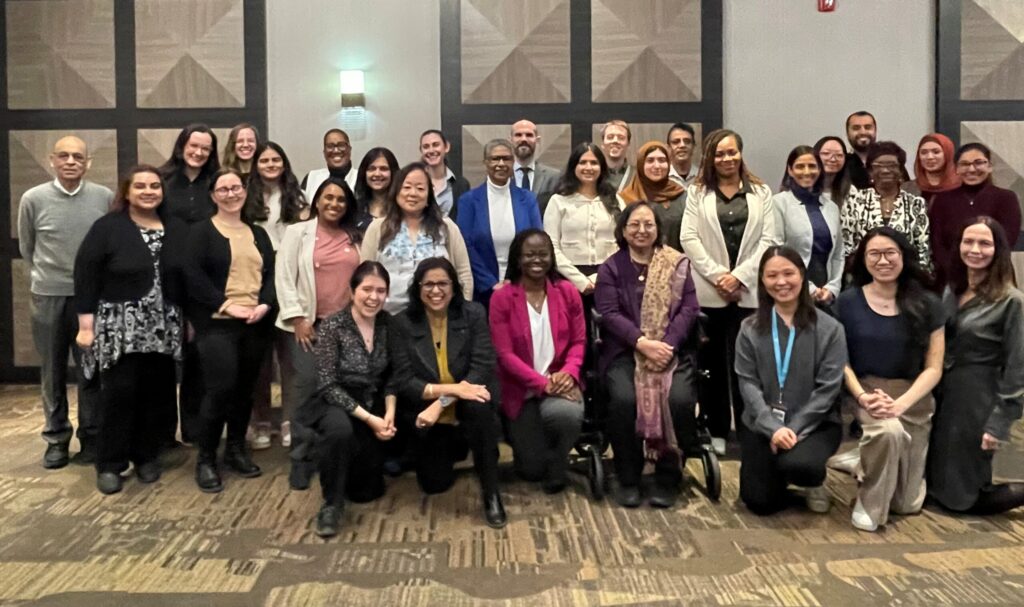
 Attendees at the MOSAIC-T2D Workshop on March 31, 2026 in Mississauga, ON.
A Community‑informed Multilevel Framework for Equitable Type 2 Diabetes Prevention
The Multi-level Outcomes for Structural Action and Inclusive Community Health for Type‑2 Diabetes (MOSAIC‑T2D) project brings together researchers, community partners across Peel Region, public health leaders, and people with lived and living experience of T2D. Co‑led by Dr. Laura Rosella and Dr. Ibukun Abejirinde, with funding from CIHR and Diabetes Canada, the project aims to support more equitable and effective prevention of type 2 diabetes in Peel Region.
At the heart of MOSAIC‑T2D is a shared recognition that diabetes risk is shaped not only by individual characteristics and behaviours, but also by personal relationships, features of the local environment , and broader social and structural factors. To capture this complexity, the project involves working with community members and other stakeholders to co‑develop a practical framework that captures these multiple levels of influence and guides meaningful action.
In early February 2026, we held the first virtual workshop, where participants were invited to share insights on a conceptual framework, informed by an evidence review, and discuss a wide range of factors that affect diabetes risk in Peel Region. Building on these insights, a second, in‑person workshop was held on March 31, 2026, in Mississauga. During this session, participants explored how different risk factors interact, discussed where action is most needed, and jointly assessed which areas may be most feasible to implement changes over the next five years.
The second workshop began with a summary of what was heard during the first session and how that feedback informed revisions to the conceptual framework, and a visual representation of the framework was presented. Participants responded positively, noting that the revised framework more clearly reflected what mattered to them and their communities. Discussions highlighted the framework’s potential use not only for research, but also as a practical tool for public health, clinicians, community organizations, outreach workers, and youth education.
Attendees also raised important considerations, including the challenge between grouping risk factors into broad categories without losing important differences, and the need to acknowledge that diabetes risk is unevenly distributed. Many emphasized that risk factors can change over time and across generations, even within the same cultural communities, reflecting shifts in values, beliefs, and lived experiences.
Through small group discussions, participants identified and prioritized key risk factors at the individual, community, and societal levels of the revised framework. The workshop concluded with an open group discussion to rank these priorities based on their importance and feasibility for action in the next 5 years, helping to identify clear areas for focus.
The project team is now analyzing the feedback gathered across both workshops. These insights will be used to further refine the framework so that it reflects community knowledge, supports real‑world application, and advances more community‑responsive approaches to diabetes prevention and care in Peel Region. The learnings will also inform the co‑development of a targeted diabetes prevention strategy. In parallel, the team is exploring ways to share and mobilize project outputs, so that the framework is accessible, relevant, and meaningfully used by the communities and partners it is intended to support.
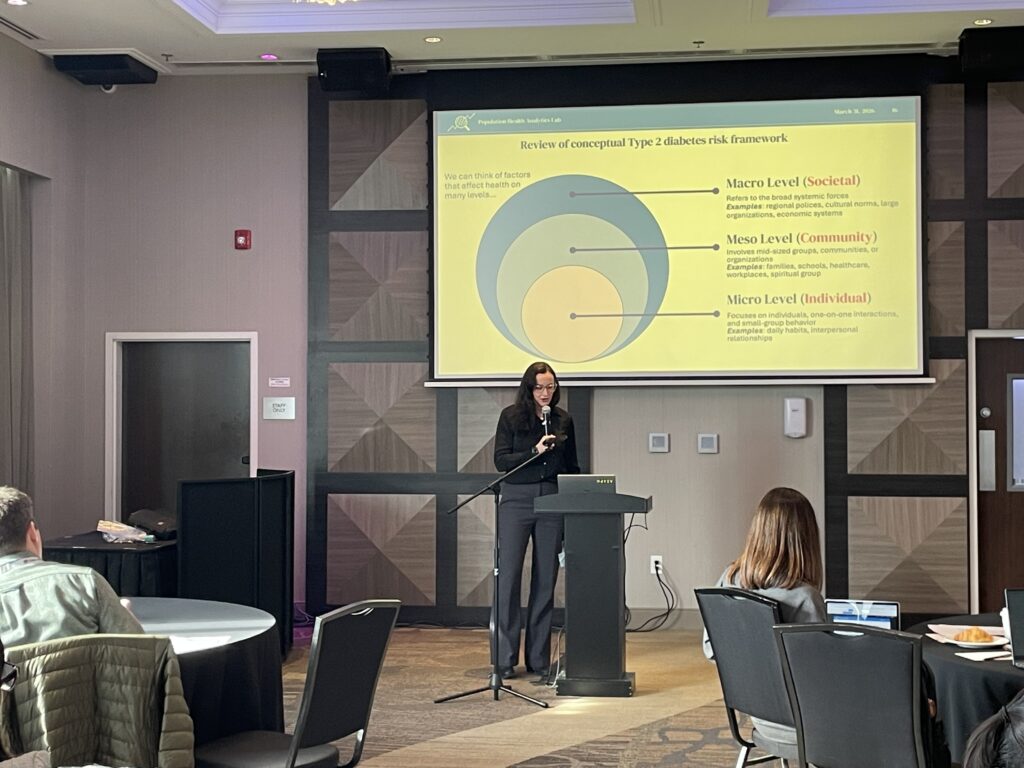
Dr. Laura Rosella presenting an overview of the conceptual Type-2 Diabetes prevention framework, grounding the discussion in key social health determinants and system-level factors.
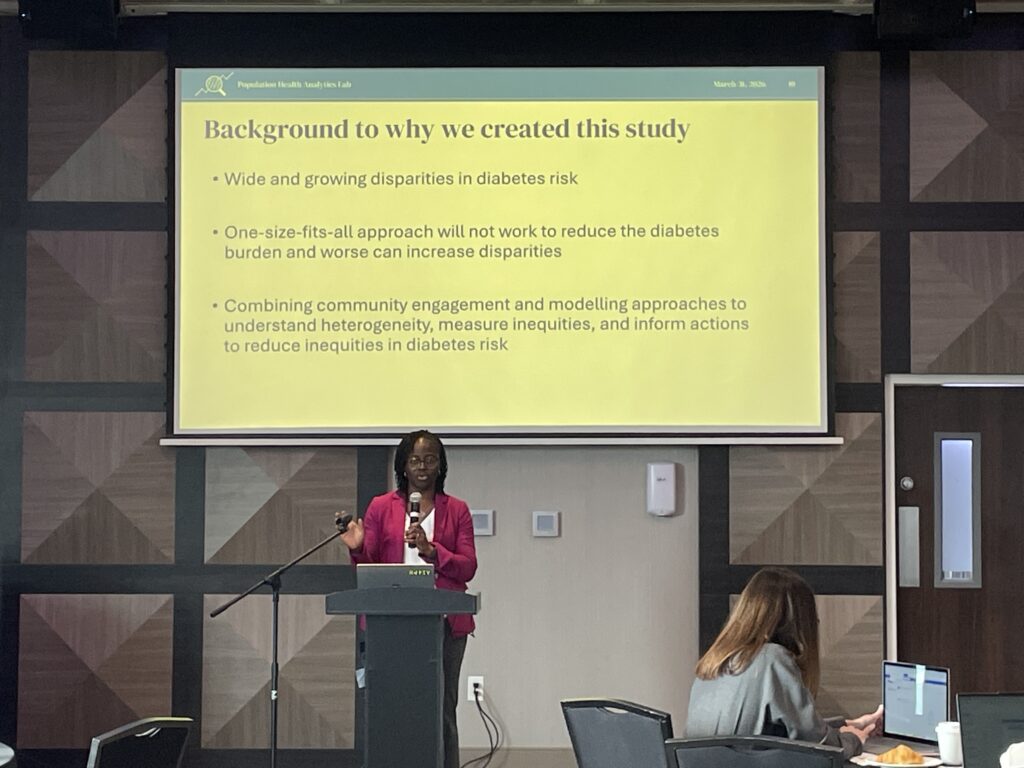
Dr. Ibukun Abejirinde outlining next steps for the MOSAIC project and key directions for continued collaboration and knowledge mobilization.
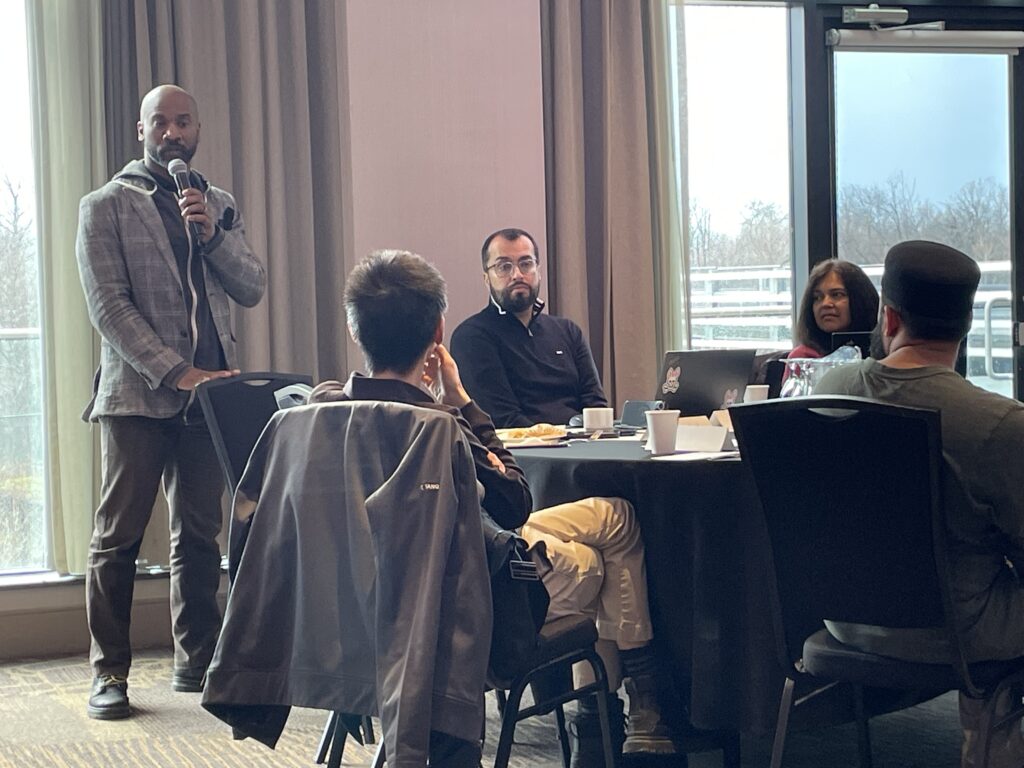
Councillor Martin Reid sharing reflections on the importance of the MOSAIC-T2D project and its relevance to community priorities and local decision-making.
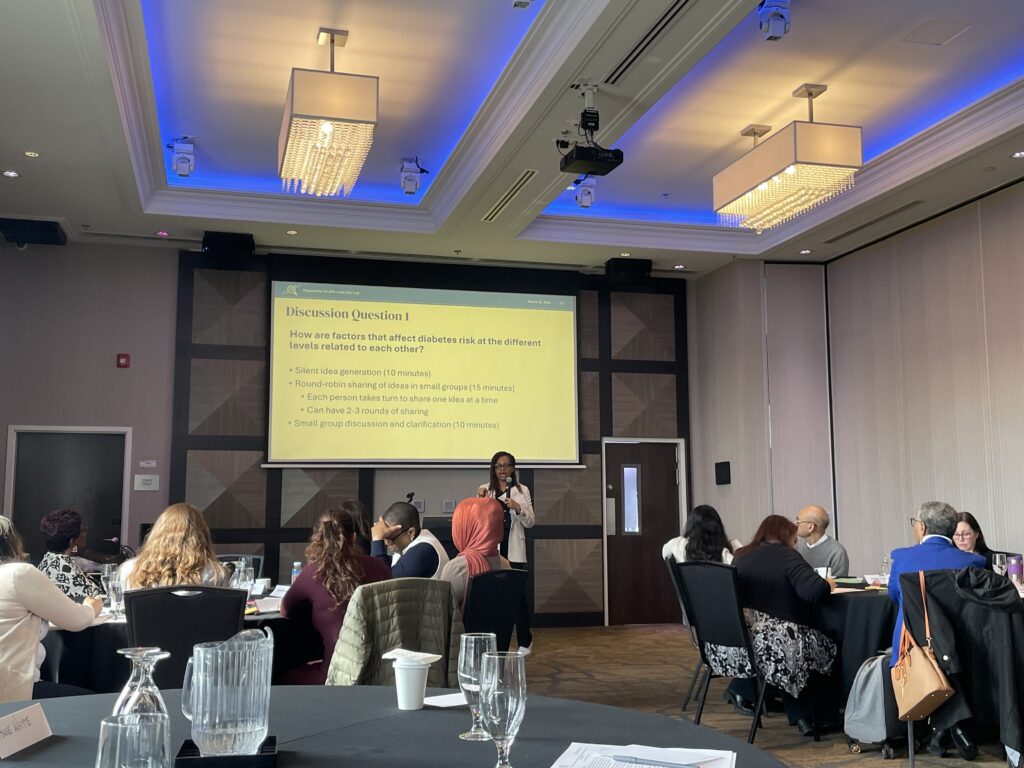
Dr. Ijeoma Itanyi facilitating the workshop discussion and providing guidance on small-group conversations.